The Earth Is More Than Our Home
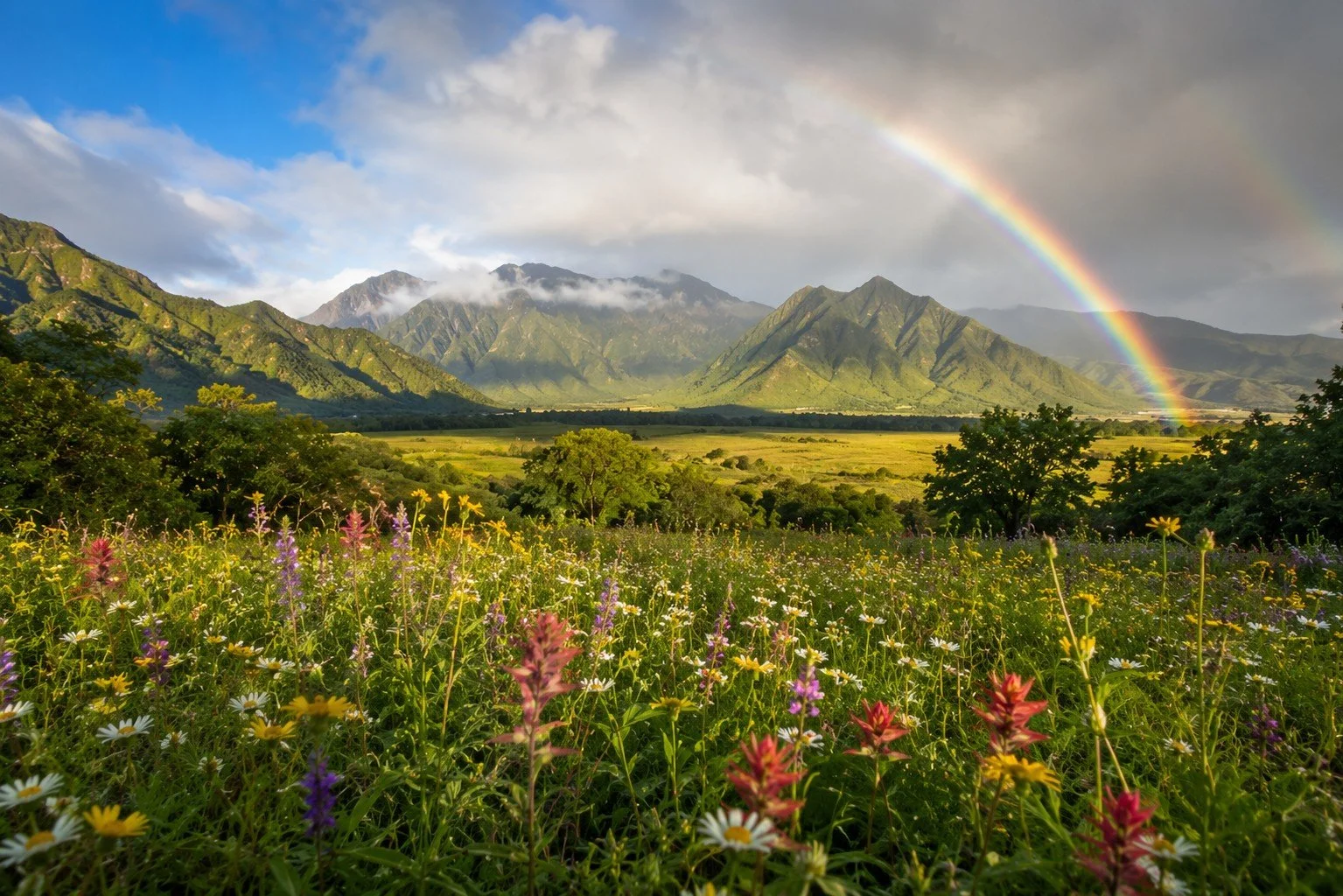
We often call Earth our home. It's a beautiful sentiment, but it doesn't quite go far enough.
A home is usually thought of as the place where we live. The Earth is so much more than that. She provides the air we breathe, the water we drink, the food that nourishes us, and the materials that become our homes, clothing, tools, and countless other parts of everyday life. Every physical experience we have is made possible through our relationship with this planet.
But there is an even deeper connection.
We aren't simply living on the Earth. We are part of her.
We Are Made of the Earth
It's easy to think of ourselves as separate beings moving around on a planet, but our bodies tell another story.
The minerals found within the Earth are also found within us. The water flowing through rivers, clouds, oceans, plants, and animals continually moves through our bodies as well. The oxygen we breathe is part of an ongoing exchange between ourselves and the plant life around us.
Even the food that becomes our physical body begins with the Earth in some form. Seen this way, the boundary between "us" and "nature" becomes much less clear. We aren't visitors here. We belong to the same living system.
The Earth Is a Living Relationship
Modern life can make it surprisingly easy to forget where everything comes from. We turn on a faucet and water appears. We walk into a grocery store and find food arranged on shelves. We order something online and it arrives at our door. The natural world can become almost invisible behind all the systems we've created.
But underneath those systems, the relationship remains. There is soil behind the food. Rain behind the water. Trees behind the paper. Minerals behind our technology. Sunlight behind almost every form of energy that sustains life.
When we begin noticing these connections again, appreciation can naturally replace unconscious consumption. The Earth stops being merely a collection of resources and becomes something we are in relationship with.
Nature Reminds Us How Life Works
The Earth is also constantly showing us something about ourselves.
Nature moves in cycles. There are periods of growth followed by rest. Tides come in and go out. Plants bloom and eventually release their flowers. Trees lose leaves and grow new ones. Storms arrive and eventually pass.
Nothing is expected to remain in one state forever.
Yet we often expect exactly that from ourselves.
We think we should always be productive, motivated, certain, expanding, or moving forward.
Nature offers another possibility.
Perhaps contraction isn't failure. Perhaps rest isn't laziness. Perhaps letting go is sometimes necessary. Perhaps we can trust that another season will come.
The more closely we observe the Earth, the more we discover that change isn't an interruption of life.
It is life.
Our Connection Is Energetic, Too
For many people, spending time in nature creates an immediate shift.
We feel different beside the ocean, beneath a tree, walking through a forest, gardening, watching clouds move across the sky, or standing barefoot on the ground.
Part of that experience may simply come from stepping away from noise and stimulation. But there can also be a deeper sense of recognition—a feeling of returning to something familiar.
Nature brings us into the present moment.
A wave doesn't need us to analyze it. A flower isn't asking us to accomplish anything. A sunset doesn't care how successful we've been today.
For a few moments, we can simply exist.
And sometimes that is exactly what our energy has been asking for.
Caring for the Earth From Connection
Conversations about caring for the planet are often framed around fear: what will happen if we don't change, what we're doing wrong, or what might be lost.
Those conversations have their place. But there is another powerful motivation for caring for the Earth:
love.
When we experience ourselves as separate from the natural world, environmental responsibility can feel like another obligation.
When we remember that we belong to the Earth, caring for her becomes much more personal.
We naturally want to protect what we love.
That doesn't mean any of us needs to live perfectly. It may simply mean becoming more conscious of our choices, wasting less, appreciating more, spending time in nature, supporting healthier systems, and remembering that what we do affects the larger web of life.
Small acts of respect matter because they reflect a larger shift in consciousness.
Remembering Where We Belong
As humanity moves further into an increasingly technological world, our relationship with the Earth may become even more important.
Technology can connect us across continents, give us access to extraordinary information, and transform how we live. But it cannot replace the feeling of sunlight on our skin, the smell of rain, the sound of waves, or the experience of standing beneath a night sky filled with stars.
We need both innovation and connection.
Progress doesn't have to mean moving farther away from nature. Perhaps true progress includes remembering how to live more consciously within it.
The Earth is our home, certainly.
But she is also our provider, our teacher, our physical foundation, and the living system to which we belong.
And perhaps one of the most meaningful shifts we can make is to stop thinking of ourselves as humans who happen to live on Earth—and begin remembering that we are Earth beings, participating in something much larger than ourselves.