Living Your Spirituality Instead of Chasing It
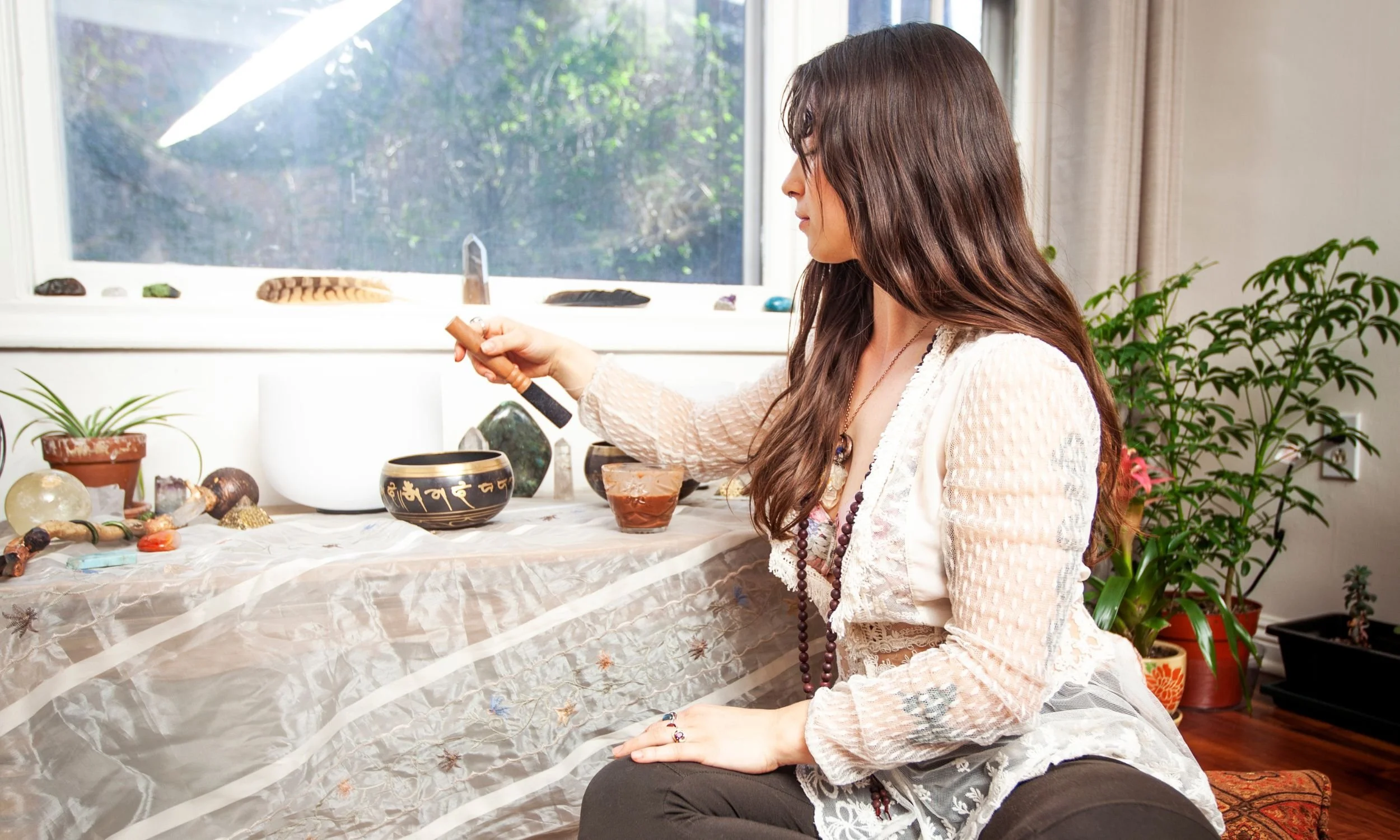
There’s a quiet shift happening in the spiritual world. More people are realizing that spirituality isn’t something you have to reach, earn, or figure out. It’s not a destination, a certification, or a constant search for the next teaching. True spirituality isn’t something you chase—it’s something you live.
For a long time, many of us were taught (directly or indirectly) that awakening was “out there.” In another book. Another workshop. Another practice. Another version of ourselves that we’d finally become someday. And while learning and exploration can be beautiful, they can also turn spirituality into a never-ending pursuit—one that subtly keeps you feeling not quite there yet.
Living your spirituality invites a very different approach. It asks you to slow down, come home to yourself, and recognize that what you’ve been seeking has been moving with you all along.
The Subtle Trap of Spiritual Chasing
Spiritual chasing often looks positive on the surface. You meditate, journal, attend events, listen to teachers, and consume inspiring content. None of that is wrong. But chasing energy comes with an underlying message: I’m not enough as I am right now.
When spirituality becomes a chase, it can turn into self-improvement on steroids. You’re always healing something, clearing something, upgrading something. There’s a sense that peace, clarity, or wholeness lives just beyond the next breakthrough.
Living your spirituality shifts that assumption. Instead of asking, “What do I need to fix?” you start asking, “How can I be present with what’s already here?”
Spirituality Is Meant to Be Lived, Not Performed
Living your spirituality doesn’t require special conditions. It doesn’t need perfect mornings, long rituals, or ideal circumstances. It shows up in ordinary moments:
How you speak to yourself when you make a mistake
How you respond when plans change
How you listen—really listen—to another human being
How you treat your body, your time, and your energy
This is where spirituality becomes embodied. It moves out of the mind and into daily life. You stop trying to look spiritual and start being honest, present, and aware.
Spirituality lived is quieter. Less dramatic. More grounded. And often more powerful.
Presence Is the Practice
When you stop chasing spirituality, presence naturally becomes the center of your path. You’re not trying to escape the moment—you’re meeting it.
Presence doesn’t mean life suddenly feels blissful all the time. It means you’re willing to be with what’s real. Joy, discomfort, clarity, confusion—it all becomes part of the experience rather than something to transcend or bypass.
This kind of presence builds trust. Trust in yourself. Trust in your inner knowing. Trust that you don’t need to constantly seek outside validation to know you’re on the right path.
Letting Your Life Be the Teacher
One of the most freeing shifts is realizing that your life is already your greatest spiritual teacher. Relationships, challenges, transitions, desires, boundaries—these are not distractions from your spiritual path. They are your spiritual path.
Living your spirituality means allowing everyday experiences to inform you rather than resisting them. You notice patterns. You learn from reactions. You soften where you’ve been rigid. You grow without forcing it.
And slowly, something changes. You stop striving to become someone else and start expressing who you already are.
Coming Home, Again and Again
Living your spirituality isn’t a one-time decision. It’s a gentle, ongoing return. A remembering. A willingness to come back to yourself when you notice you’ve drifted into comparison, seeking, or self-judgment.
You don’t need to chase your spirituality because you are it—expressed through your choices, your awareness, your compassion, and your presence.
And the more you live it, the more natural it becomes.
No chase.
No pressure.
Just you, showing up—right where you are.