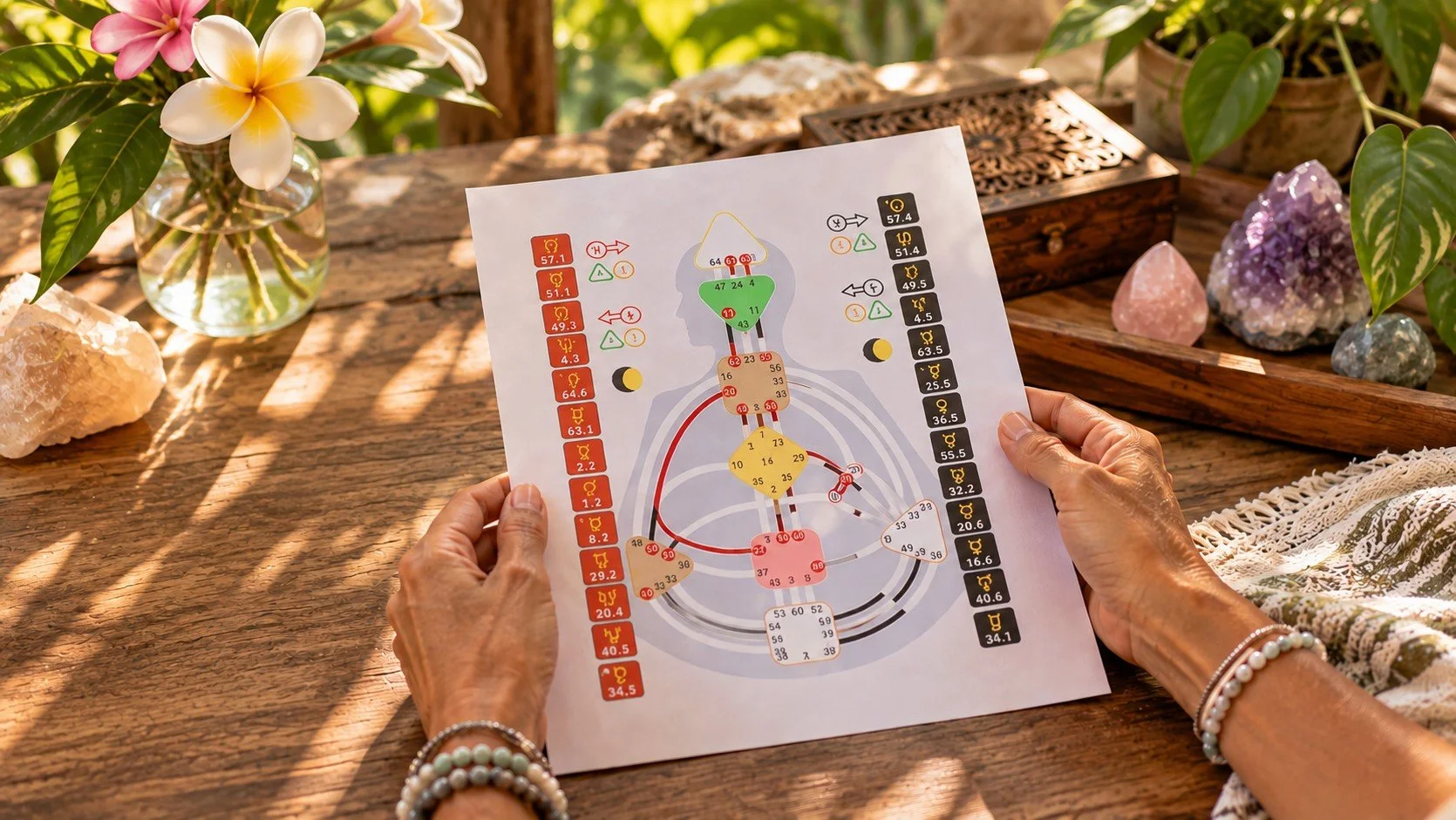
How to Start Deconditioning With Human Design
One of the most powerful aspects of Human Design is that it doesn’t simply tell you more about who you are. It can help you begin recognizing all the ways you may have learned to be someone you’re not.
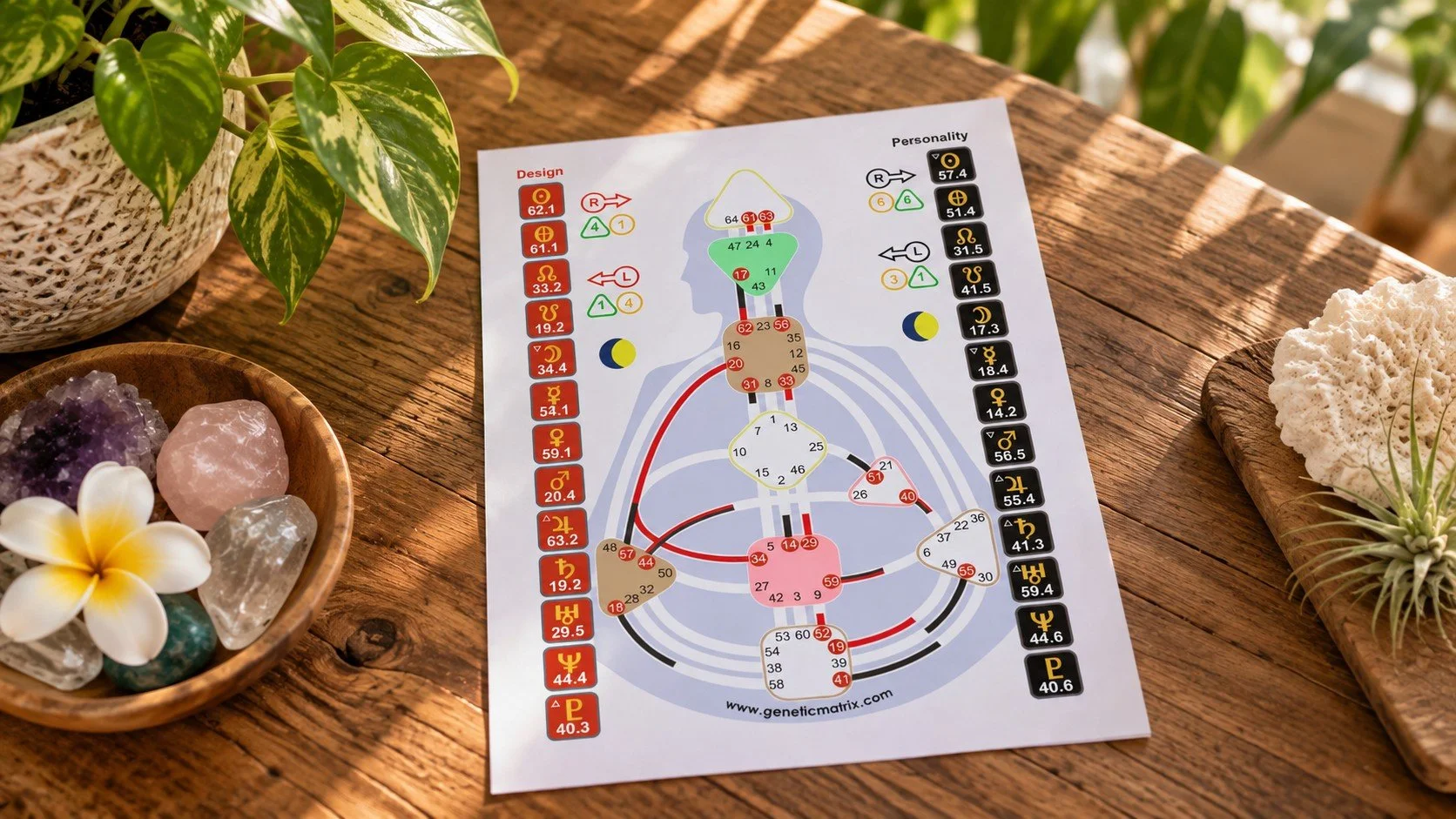
10 Common Human Design Mistakes Beginners Make
Human Design can feel like discovering an entirely new language for understanding yourself. You calculate your chart, learn your Type, and suddenly there are Centers, Gates, Channels, Profiles, Authorities, Strategies, planetary activations, Variables, and more. It’s exciting—and it can also be a lot.

EFT Tapping for Fear of Failure: Give Yourself Permission to Try
There’s something you want to do. Maybe it’s starting a business, applying for a new job, sharing your creative work, learning something new, changing careers, writing a book, beginning a relationship, or finally pursuing an idea that has been quietly calling to you. You’re excited about the possibility, but then another voice enters the conversation: What if it doesn’t work? What if I’m not good at it? What if I make a mistake? What if I put myself out there and fail?

EFT Tapping for Perfectionism: Let Good Enough Be Enough
Perfectionism can look like having high standards, and sometimes it even feels responsible. You want to do things well. You care about the quality of your work. You want to make thoughtful decisions and give your best effort. There’s nothing wrong with any of that. But perfectionism becomes something different when “doing your best” turns into “nothing I do is ever quite good enough.”

EFT Tapping for People-Pleasing: Feel Safe Being Yourself
You want to say no, but you hear yourself saying yes. You have an opinion, but you keep it to yourself. Someone asks what you want, and you automatically answer, “Whatever you want is fine.” You agree to something you really don’t want to do because disappointing someone feels more uncomfortable than disappointing yourself.
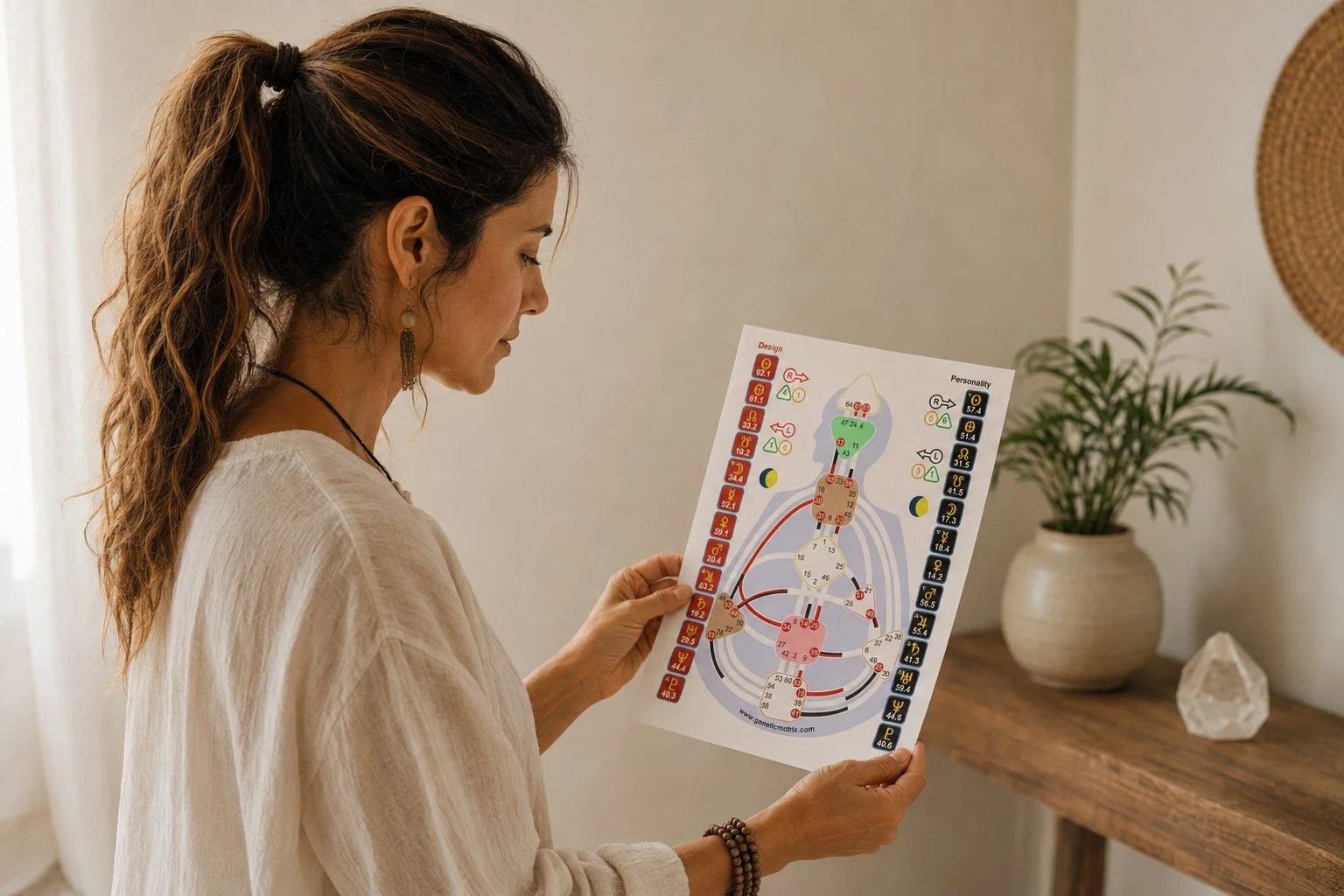
Living in Alignment with Your Human Design
There’s a big difference between knowing your Human Design and actually living it. You can know your Type, Strategy, Authority, Profile, Centers, Gates, and Channels. You can understand your chart beautifully and still find yourself saying yes when your body says no, pushing when nothing is flowing, making decisions from your mind, comparing your energy to other people, or doing what you think you should do.

What Does Soul Alignment Really Mean?
Soul alignment is one of those phrases that sounds beautiful—but what does it actually mean to live in alignment with your soul? It doesn’t mean being spiritually enlightened every moment. It doesn’t mean having your entire life figured out, always knowing exactly what to do, or floating through your days in a permanent state of peace and bliss.

Why You Were Never Meant to Be Like Everyone Else
From the time we’re young, we’re surrounded by messages about how life is supposed to look. Work hard. Be productive. Choose a direction. Stick with it. Make sensible decisions. Keep up with everyone else. Find the formula that works—and follow it.But what if there was never supposed to be one formula?

Human Design and Authentic Living
There is a lot of talk about “being yourself.” It sounds simple enough. Be authentic. Follow your truth. Stop worrying about what everyone else thinks. But who exactly is that authentic self underneath years of expectations, conditioning, comparison, and ideas about who you’re supposed to be?

Human Design for Everyday Life
Human Design can be fascinating to study. You can spend hours exploring your Centers, Gates, Channels, Profile, Authority, Incarnation Cross, and all the other layers hidden within your chart. But the real magic of Human Design isn’t how much you know about your BodyGraph. It’s what happens when you begin living your design in ordinary, everyday life.

How to Make Better Decisions Using Human Design
How many times have you known what felt right for you, only to talk yourself out of it? Maybe your first response was an enthusiastic yes, but then your mind started listing all the reasons it wouldn’t work. Or perhaps something didn’t feel right from the beginning, yet it looked so good on paper that you convinced yourself to do it anyway.

What Is Authority in Human Design?
One of the most useful things Human Design can teach you is that your mind may not be the best place to make your most important decisions. That can sound strange at first. Most of us have spent our lives being taught to think things through. We make pros and cons lists, analyze every possibility, ask everyone what they think, and try to predict what will happen next. And sometimes, after all that thinking, we’re even less certain than when we started.

Understanding Strategy: The Key to Living Your Human Design
When you first discover Human Design, it’s easy to get swept up in all the fascinating details of your chart. Gates, Channels, Centers, Profiles, Incarnation Crosses—there’s enough information to keep you exploring for years. But Human Design wasn’t created simply to give you more information about yourself. It’s meant to be lived, and one of the most important places to begin is with your Strategy.
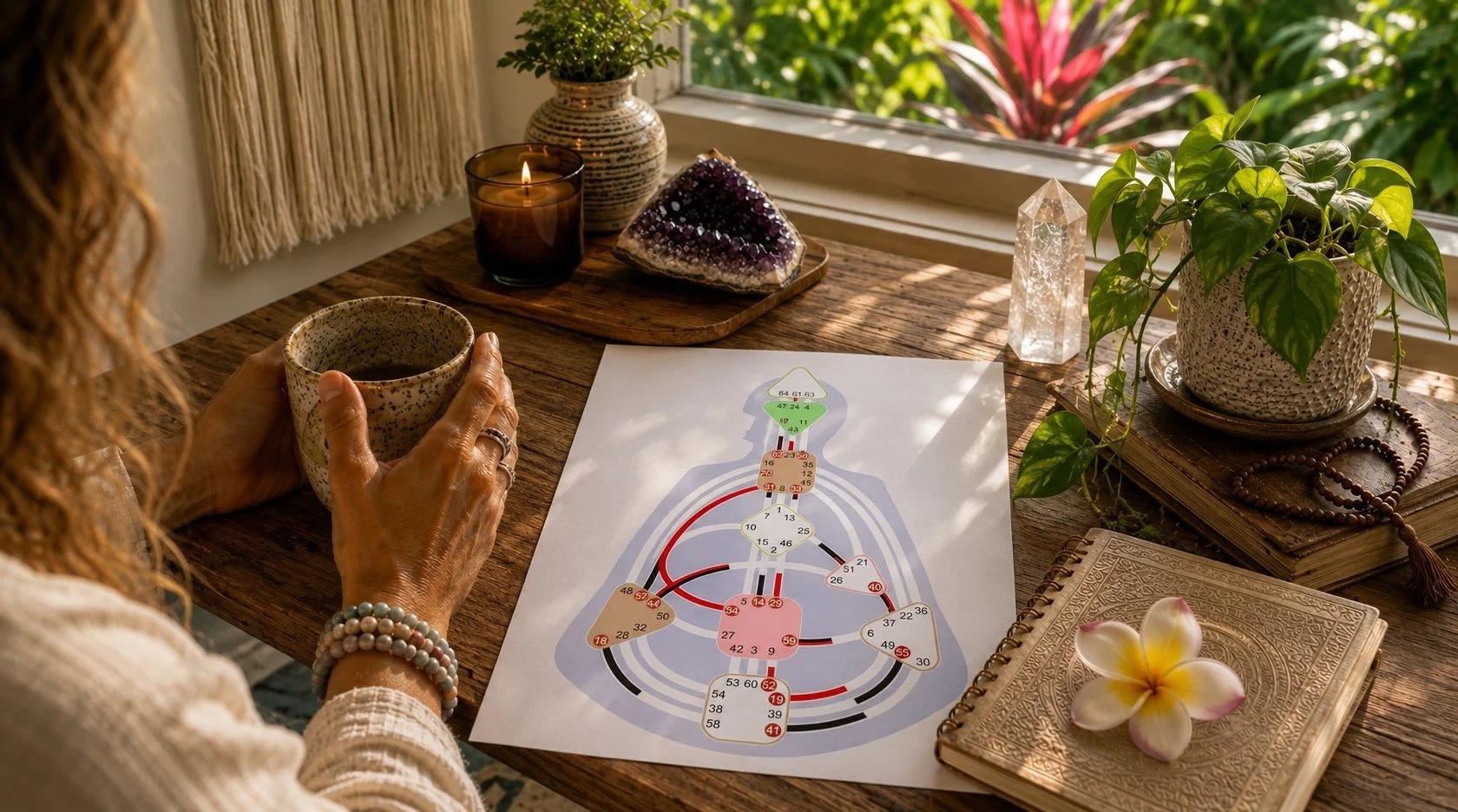
Why Human Design Can Feel So Accurate
If you’ve ever had your Human Design chart calculated, you may have experienced that strange moment of recognition: How does this know me so well? Maybe you discovered that you’re a Projector and suddenly understood why trying to keep up with everyone else has always been exhausting. Perhaps you learned that you have Emotional Authority and realized why your best decisions rarely come in the heat of the moment. Or maybe you saw an aspect of yourself described so precisely that you wondered how a chart based on your birth information could possibly know something you’ve felt your entire life.

How Human Design Can Change Your Life
Human Design can be fascinating when you first discover it. You learn your Type, Strategy, Authority, Profile, Centers, Gates, and Channels, and suddenly you have an entirely new language for understanding yourself. But the real magic of Human Design isn’t in knowing what all the pieces of your chart mean. It’s in what happens when you begin living your design.